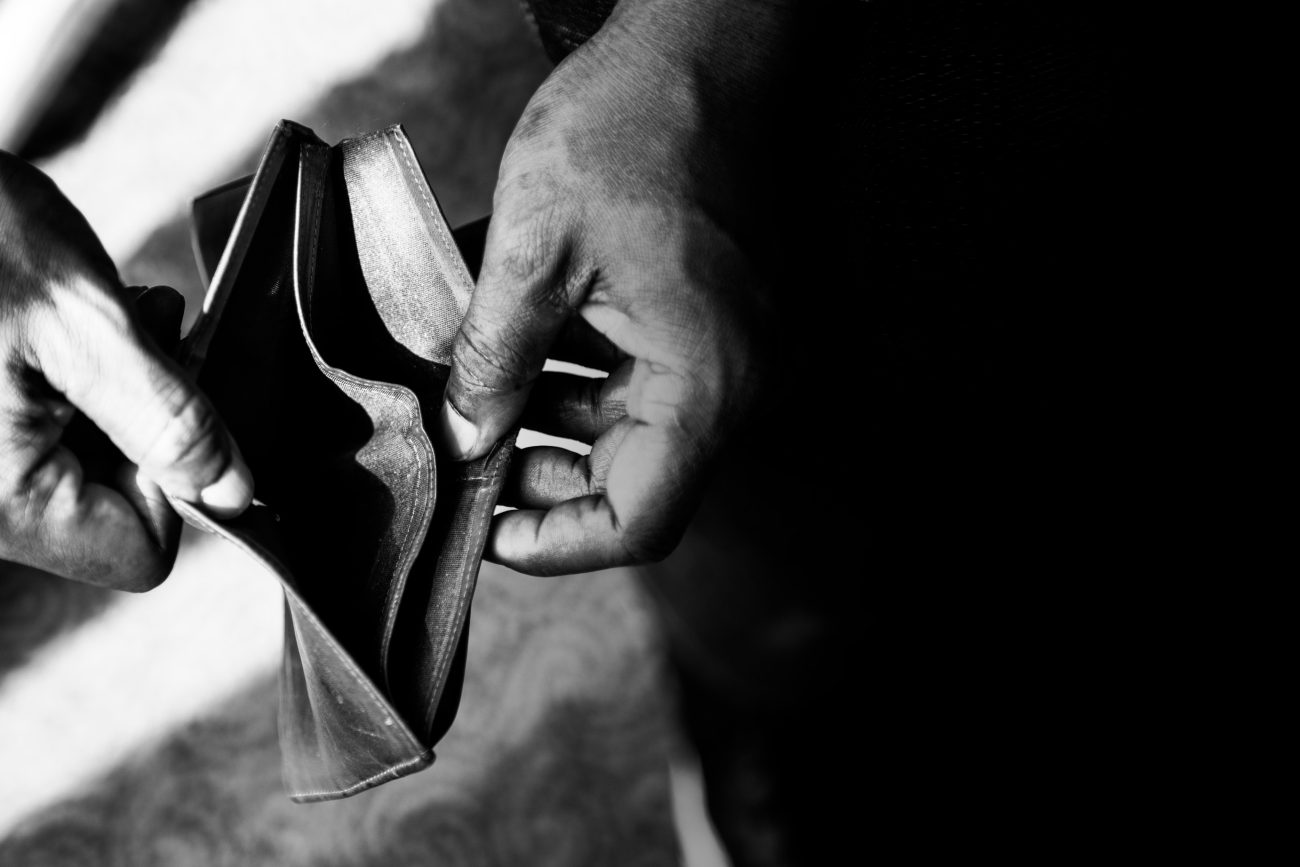
South Africa’s fiscal choices will ultimately be judged not only by whether they balance the books, but by whether they lower the everyday cost of keeping a home and a business running.
Budgets are often written in the language of revenue, expenditure and debt. For millions of South Africans, however, they are experienced in smaller and harsher units. That is, one fewer item in the grocery basket, an electricity token that buys less than it did a month ago, or a small-business owner wondering whether to pay a supplier, an employee or the municipality first.
Unfortunately, headline inflation is not always the household experience. Official inflation may appear manageable in aggregate, but average figures can conceal the pressure exerted by essential costs. Statistics South Africa reported annual consumer inflation of 4.4% in August, while transport inflation stood at 8.8% and housing and utilities at 5.2%. The Competition Commission has also warned that electricity, water, petrol, public transport, healthcare and communication costs continue to place severe pressure on household affordability. These are not optional purchases. They are the price of participating in the economy.
The same costs pass directly through the doors of small and medium-sized businesses. A bakery pays more for electricity, transport and packaging before selling a single loaf. A township retailer absorbs higher delivery charges and municipal tariffs while customers arrive with less disposable income. A manufacturer faces rising logistics costs and weak demand at the same time. In such an environment, the distinction between a “consumer crisis” and a “business crisis” is artificial. They are two sides of the same affordability shock.
The government may not have fully anticipated the severity of the current cost-of-living crisis when it tabled the main budget in February. The Medium-Term Budget now provides an opportunity to respond to these changed circumstances by revising earlier assumptions, reprioritising expenditure and directing limited resources towards protecting livelihoods and easing the pressure on households and businesses.
This year’s mini-budget cannot be treated merely as a mid-year accounting exercise. It must be a cost-of-living budget: fiscally credible, certainly, but also deliberately designed to protect the productive relationship between households and businesses. Consumers keep firms alive through spending while firms, in return, sustain households through employment and income. When both are squeezed at once, the economy does not simply slow, it begins to fray.
The mini-budget must also confront a politically uncomfortable truth: the state itself is a major source of the cost-of-living crisis through administered prices. Electricity, water, fuel levies and municipal charges often rise faster than the inflation rate. Households are told that inflation is easing while the bills over which government has the greatest influence continue to climb. Fiscal policy cannot credibly promise relief while the public sector steadily raises the cost of basic economic participation.
Relief must be targeted, not reckless. The answer is not a spending spree that briefly comforts consumers while worsening debt and future taxes. South Africa’s fiscal position still demands discipline. Debt-service costs divert money from schools, clinics, policing and infrastructure, while fiscal instability eventually returns to households through a weaker currency, higher inflation and more expensive credit.
But discipline should not become an excuse for blunt austerity. If revenue is performing better than expected, the temporary improvement should be used with precision. The first priority should be to defend high-impact social expenditure, including adequately funded grants, school nutrition, as well as relief towards rising energy prices.
Government should also present practical ways to cushion households and firms from sharp increases in electricity, paraffin, petrol and diesel costs. The objective is not to spend without restraint, but to ensure that every rand of relief reaches the pressure points where it can preserve both welfare and productive capacity.
Competition is central to the affordability agenda, particularly in the petroleum industry where concerns have emerged that some operators may be exploiting petrol shortages to increase profits. Fiscal policy alone cannot address such conduct. Stronger competition enforcement and market monitoring are needed to detect strategic withholding, improve transparency across the fuel supply chain and hold operators accountable for unjustified supply restrictions and pricing practices. The budget should therefore strengthen the capacity of regulators and enforcement agencies to monitor essential food, energy and transport markets, while removing barriers that prevent new and smaller firms from competing.
The test of the MTBPS is not whether it produces a dramatic announcement. It is whether it presents a credible path from better public finances to lower everyday costs. Fiscal credibility matters most when it enlarges the economic choices available to citizens, rather than merely satisfying an accounting identity.
For too long, South Africans have been asked to remain patient through years of weak growth, unreliable services and rising costs. Businesses have been urged to invest despite fragile demand and mounting operating expenses. The coming mini budget must show that government understands the bargain it is asking both groups to accept. Fiscal consolidation will retain public legitimacy only if it creates space for growth and visible relief, rather than becoming an end in itself.
